Strachur Medical Practice
 is an NHS GP practice in the Cowal Peninsula, Argyll, Scotland.  We provide care to around 1,050 patients.
 
Surgery Opening Hours
The surgery provides care weekdays from 8am-6pm. Outside these hours one of the local rural GPs will always be on call and can be contacted via 111

The surgery building is open to patients from 9am to 1pm and 3pm to 6pm weekdays, except Thursday half-day.

Regular Clinics
Patients are seen by appointment. To book an appointment, please phone the main practice number (860224). 

Dispensing Practice
We are a dispensing practice, which means that our patients receive their medications from the practice dispensary.

New Telephone System

We've finally had a new telephone system installed in the practice.  It's been a bit of a struggle to get the new system in place given the challenges with telecoms in the Strachur area, but we now have it up and running.

The new system uses the internet to carry our calls. 

This will hopefully resolve some of the issues we have been having with the telephone lines in Strachur.  

However, we may still experience some problems.  The phone network in the Strachur area is antiquated and needing to be updated and this can affect the internet as well as traditional voice calls.

The new system means patients should never get an engaged tone.  All incoming calls will be queued for the receptionist to answer in turn.   

The new system is already up and running. 

Telephone Issues


Like many others in Strachur, we continue to struggle with poor access to telephone lines.  This can cause problems for patients trying to contact the practice.

We've always had issues with intermittent outages to our telephone lines and broadband.  However, the problem became worse after the storm in the spring of 2025.  

We have three incoming telephone lines to our internal exchange in the practice.  However, we often find that people dialling into the practice can't connect.  Sometimes people connect but we can't hear them.  Sometimes we can't get an outside line.  Other times we get an outside line but the person we dial can't hear us or we can't hear them.  

The issue is due to poor telecoms infrastructure in the Strachur area and is something that is beyond the control of the practice. 

We've been working for around six months with our current telecom provider, BT, and a new telecom provider to try to find solutions but nothing they do seems to work.  We have tried switching to VOIP from copper cables but we can't get any broadband signal on the ports that we've had installed in the practice.  Our installer works nationally and says he's never seen this before in his career.  We're also lucky as one of our receptionists used to be a local telecom engineer and understands the system well. 

It's very frustrating.  We are looking now at installing a cellular system which uses the mobile signal, but as patients will be aware the mobile signals are also unreliable in our area.  Another alternative is to use an orbital system such as Starlink, and I know at least one other business in the area is doing this.  However, there are concerns about using this for voice calls for a medical practice.  

We will continue to try to improve the quality of the system, although the root problem - poor infrastructure - is beyond our control.   

Working with Furnace and Inveraray surgery


The team running Strachur Medical Practice have been awarded the contract to run our neighbour practice, the Furnace and Inveraray Medical Practice.

This will allow the two practices to work closely together when providing care.  This will be a huge advantage in these difficult times when many small practices are losing their GPs, and will help secure the future of both practices.

The two practices working together will be called the Three Lochs Medical strategic alliance.

You can read more about this on the Three Lochs Medical website.

New BASICS vehicle


The practice has purchased a new BASICS vehicle to respond to emergencies in.

This is part of our Immediate Care service.  Doctors and Nurses from the practice respond to 999 calls in the practice area as volunteers.

See our Immediate Care page for more details.


Our Woman's Health Clinic can now do Pessaries!

We have just had news that funding for providing vaginal pessaries in our Women's Health Clinic changes has been approved.


This means that we will now be able to insert / remove / change vaginal pessaries for patients.
 
Our Women’s Health Clinic is open to all women living in Argyll and Bute- you don't need to be a patient at the practice.  It runs around once a month - call the practice on 01369 860 224 for the times of our next clinics and to book an appointment.
 
We provide contraceptive implants, coils, and pessaries for any patient in Argyll and Bute, as well as menopause advice for patients registered at the practice.. 

Pessaries are used to treat conditions such as prolapse and urinary incontinence which can cause a huge amount of hidden suffering for women.  Women with pessaries need them checked or changed regularly.   Since the covid19 crisis there have been very long waiting times for pessary changes in hospital clinics, which has caused a lot of issues for patients. 


QuickRead Go CRP Blood Test machine

Orion Diagnostica QuikRead go CRP, CRP+Hb and hsCRP+Hb test procedure video  - YouTube 

Thanks to the amazing work of the patients and staff in Strachur area for raising the money to purchase and run our QuickRead Go blood test machine.

Strachur Medical Practice is one of the first practices in Scotland to get one of these machines.  

The machine can test for inflammation levels in the blood in 2 minutes with a thumb prick.  This is vital in remote communities because it is an early marker for serious infections such as pneumonia and sepsis, and early diagnosis saves lives.

It costs about £3 per test to run the machine, but our patients have already donated enough money to keep us going for a year or so.  Since the nearest CRP machine is in Inverclyde Hospital a 1 hour drive and ferry journey, it will also save Strachur patients time and money by avoiding them having to travel to hospital as often.

The machine can also measure Heamoglobin levels to check for anaemia, and can test in 7 minutes for the dangerous Strep.a throat infections (compared with waiting days for a swab result to come back). 

Thanks again to our patients and staff for all the hard work (including a Loch swim!) to raise the money to fund this service.

Samples / blood tests transport working well


The transport system that we have had for the last year or so is working well.  We get bloods and other clinical samples picked up each morning around 10.30am (the exact time varies by day as the driver collects from other remote practices in the area too).  

This means that we are getting our results usually that evening, compared with posting samples and getting results days later.  It means our results are more accurate - no more repeat blood tests for mild abnormalities caused by the sample "going off" in the post.

The transport is provided by volunteers such as Blood Bikers and by porters from Dunoon hospital.


Strachur Hub wins National NHS Award


Congratulations to the Strachur Patient Participation Group and Kate Paton, our Practice Nurse, for winning an NHS Scottish Health Award for their Community Hub as reported in the Daily Record. Really well done, and great recognition for the amazing work that you do for patients in our community.


Appointment Times

Planning your day around a visit to see the doctor?
Remember you are seeing the Duty Doctor, so appointment times are only a rough guide.  The clinic is really a pseudo-walk-in clinic: it's normal to wait up to an hour after your stated appointment time to be seen, and you could then spend an hour or longer being seen.  So please allow up to two hours for your visit and bring a good book.  We have a comfy sofa, a coffee machine, and free WiFi for a reason!

Strachur Medical Practice is a single-handed practice, so patients will always see the Duty Doctor.  This is an important difference from larger practices.

Every GP practice has at least one Duty Doctor each day.  The Duty Doctor's job is to deal with the large number of urgent issues that come up during the day.

For example (in no particular order):
  • urgent abnormal results being called in by the laboratory
  • urgent calls from specialists about patients they are concerned about
  • calls from social work
  • calls from the Community Mental Health Team about a patient
  • District Nurses attending the practice who need to speak to the doctor urgently about a patient
  • Home Carers who need urgent assistance with a house-bound patient and will only be in the house for a few minutes
  • patients needing urgent telephone advice
  • patients who need to be seen the same day but there are no appointments left
  • medical emergencies
  • patients who are suicidal or in acute distress
  • patients who attend the clinic without an appointment needing urgent medical care
  • ambulance calls
  • police calls
  • calls to and from the NHS IT desk about computer issues
  • patients who have run out of medication
  • problems in the dispensary - national shortages of certain medications being a near-daily issue
  • problems with patients who are being seen by a Practice Nurse
Several of these problems will come up on any given day, but we can never predict exactly what or when.  In a multi-doctor practice the Duty Doctor(s) can deal with these things while the other doctors get on with seeing patients who have appointments without too much distraction.  (Even those GPs often run late, but that's a story for another day.)

Traditionally, single handed GPs did not have appointments because they were always the Duty Doctor.   All clinics were Walk In Clinics: patients turned up at the start of the clinic (usually coming early to get ahead of the queue) and they were then seen generally in order of arrival.  Patients will wait anywhere from 1 to 4 hours to be seen in a Walk In Clinic.

To try and reduce the waiting times for patients, most single-handed practices now have 'appointment times' to stagger when patients arrive and reduce their waits.  However, this is not the same as an appointment in a multi-doctor practice, because the patients are still seeing a Duty Doctor.  So it is, in reality, a pseudo-appointment system designed to stagger the arrival of patients to what - at times - can resemble a tiny, under-staffed. emergency department.  As such, patients will still wait to be seen - sometimes there will be no wait, sometimes the wait will be over an hour.  However, most patients will be seen within one hour, which is a big improvement over the 1 to 4 hour waits of a standard Walk-In Clinic.

Because waiting times of up to an hour are normal, staff may not offer an explanation and the doctor is unlikely to be apologetic about the wait.  This can understandably cause irritation, or even upset, to patients who are not used to the system and who misunderstand the 'appointment time' to mean that they will be seen at that specific time.

Patients can also be caught out by how long their appointment takes.  You have been booked for a '15 minute' time slot, but of course that might end up being 30 minutes with the doctor if your case is more complex than your realised, and/or you might need to wait to see the nurse or health care assistant, and then you might need to wait for test results, medications from the dispensary, or to see the doctor again before leaving.  This can mean an hour - or longer in some cases - between when the doctor first sees you and when you leave the clinic.

We still run some walk-in clinics.  These are useful at certain times for patients who can't wait for the next routine clinic: for example, over Christmas and New Year. Walk In clinics will have a 'start time' when patients can begin to queue.  This is not the same as the time the doctor starts to see patients: which will usually be thirty to sixty minutes after patients can start to queue.  There is also a cut-off time for patients arriving for the clinic.  This is to stop everyone turning up in the last hour of the clinic which would mean staff working hours beyond closing time, which would be unfair to the staff and dangerous for patients.  Patients arriving after that cut-off time (which might be before the clinic actually starts) will only be seen if clinically justified.   Walk In Clinics are designed to 'separate the wheat from the chaff' at times of high demand when routine matters should be postponed.  Patients will self-select: patients with routine needs are unlikely to be willing to wait several hours to be seen, which ensures that patients with urgent problems have access to the doctor.

So, when planning your visit to our surgery, remember that you will be seeing the Duty Doctor, your appointment time is only a rough guide, and that the doctor and staff will consider a waiting time of less than an hour to be seen as routine.  Please allow at least two hours for your appointment - one hour waiting time, and one hour for the medical services to be completed - and be prepared to reschedule if the Duty Doctor is particularly over-run on the day of your visit.

Phones are down

1030hrs

The phones at the practice are down just now.  We’ve lost all of our phone lines, including the fax.

We’ve informed the telephone engineers who are looking into the problem.

We’ll post updates here.

The practice Ambulance Radio is working normally, so in an emergency call 999 and ask for Ambulance.

Online Appointment booking, Results checking, and Repeat Prescriptions

We're delighted to announce that our online patient services are finally here.

EMIS Access is a secure way for patients to book appointments online, check results of tests, and order repeat prescriptions.

For security reasons, to register for our online services you need to order a Registration Form.  If you call in or call us we can print one out for you.  You can then go online and enter the details on the form to register. 

Appointment booking will be up and running in the next few days, and we will be adding results checking soon.  Repeat Prescriptions will be available in the next few months, EMIS assure us.

We've been waiting a long time for these features, and we hope you find them as exciting as we do.

Sadness as Dr Wright passes away.

It is with great sadness that we announce the death of Dr. Wright. She passed away peacefully on the 28th of July in Inverclyde Hospital.

I know our patients will be as sad and upset by this as we are.

Dr Wright was a unique, intelligent and amazing woman.   Dux of Inverness Academy, she qualified from Edinburgh University in 1966 and then obtained an M.Sc. by traveling to London weekly for a year.  She had her own medical practice in Rothesay for 12 years and was a Medical Director based at Inverclyde for a spell.  However, her lung disease meant that she had to switch to part time work: initially at Tighnabruaich and then in Strachur.   

Her keen sense of social justice and her remarkable combination of intelligence and intuition made her a valuable asset to the patients in Strachur over the last few years.  More than once, I recall Rosemary making an important diagnosis when the rest of us were stumped.   Many of the ideas that we implemented after taking over the practice in 2006 came from Rosemary, and she wrote to the staff earlier this year that ‘The years I’ve spent in Strachur have been the happiest of my life’.

She is survived by her partner, Duncan.

GPAQ Questionnaire Results

The GPAQ Patient Satisfaction Survey has been an annual part of our Quality and Outcomes Framework (QoF) work for several years now.

Each year patients fill in a questionnaire after seeing the nurse or doctor in the practice. The results are then analyzed to see if there are any areas which can be improved.

This year we are very pleased to report that our patients continued to rate the practice very highly. Most of the scores were equal to or above the benchmark, some significantly so. Also, most of the comments were favourable. The majority of negative comments were about OOH or concerns with ambulance availability which we have no control over (these comments were passed on to Viv Smith, the Health Board localities manager).


2009 was the last year that this survey will be carried out within GP surgeries themselves - in future the questionnaire will be sent out and collected by the Health Board. (One such questionnaire was already sent out at the end of 2008).

We discuss the results of the questionnaire at a practice meeting and set goals for the year to come to continually try to improve our service. The following information comes from our most recent GPAQ discussion:


Last year’s GPAQ - 2008

A patient survey was carried out in the Practice during January and February 2008.

Completed questionnaires were received as follows:

Dr Robbie Coull 43
Dr Rosemary Wright 32
Kate Paton, Practice Nurse 33


Dr Wright analysed the responses for all three. Both GP’s scored above the benchmark for the majority of questions. Kate Paton’s scores were equal to or above the benchmark for all questions.

The main area of patient dissatisfaction revealed by the data analysis concerns waiting times (between the time of their appointment and the time they are actually called into the consulting room) and continuity of care by the same GP. Some patients also expressed a wish for easier telephone access to clinical staff.

Regarding patients’ comments at question 18, most were positive. However, several patients expressed concern over out-of-hours provision.


Last Year’s Priorities - 2008 to 2010

As a result of the GPAQ carried out in January/February 2008 the following

Priorities were agreed:

* to reduce the time patients wait once they arrive in the practice;
* to dedicate time for patients to contact clinical staff by ‘phone;
* to allow patients to see the same doctor more easily.

Changes Implemented in 2008

* Dr Wright’s morning surgeries now start at 9.20am instead of 9.00am to allow time for her to check emails, etc before seeing patients;
* Dr Coull has a short break half way through his surgeries to allow some ‘catching up’ time;
* Five minute telephone advice slots have now been included at the end of morning surgery for patients wishing to speak to clinical staff over the telephone.
* Since July 2008 we have had a second salaried GP at the practice and has surgeries from Wednesday to Friday each week. Dr Wright is at the surgery on Mondays and Tuesdays. This allows patients who wish to see the same doctor to do so more quickly.


GPAQ 2009

A patient survey was carried out in the Practice during January and February 2009.

Completed questionnaires were received as follows:

Doctor 19 + 23
Practice Nurse 26

Response rates were not as good as last year; many patients were unwilling to complete a questionnaire at the surgery after seeing the doctor, preferring to take it away with a stamped addressed envelope for completion at home. However, many of these were not subsequently received in time for inclusion in the analysis. Several patients who attend surgery frequently to see the doctor and the practice nurse may have grown weary of filling in more than one questionnaire. Similarly, some patients have already taken part in the Access Survey carried out by Highland Health Board in November 2008.

Dr Wright analysed the responses for all three.  The scores were equal to or above the benchmark for all questions. The score indicating satisfaction with the receptionists was also well above the benchmark.

Regarding the priorities set last year for 2008 to 2010:


* Waiting times – satisfaction with waiting times has improved this year with both GPs and Kate scoring above the benchmark. This was the main area of dissatisfaction last year.
* Telephone Contact – patients expressed a high degree of satisfaction in this area with all scoring significantly above the benchmark.
* Continuity of care – this is not relevant for Kate and has not improved significantly for the GPs since last year in spite of the new arrangements whereby both doctors are available every week (apart from annual leave, etc).

Although one provider scored well in the area of patient autonomy, two providers scores were not as high as would have been expected. This may have more to do with the layout of the questionnaire than anything else; for the patient autonomy questions the tick boxes indicating the best scores are aligned to the left whereas for all other questions they are on the right. Not all patients may have realised this.

Patients appear to be satisfied with the practice’s opening hours. However several expressed a wish for evening or weekend opening hours. This may be connected to the unfavourable comments made by some patients about NHS24 and the ambulance service. There seems to be little doubt that patients would prefer to have an out-of-hours service run by the practice.

One comment criticised the music played in the waiting room.

Apart from criticism of NHS24, the comments at question 18 were very positive and show that patients value the service provided by the practice and appreciate the caring way in which they are treated by all the staff.

Priorities for 2009 to 2011

As a result of the patient survey carried out in January and February 2009 the following priorities have been agreed:


* to emphasise to Highland Health Board the widespread dissatisfaction with the current arrangements for out-of-hours care;
* to maintain the high standards of care currently provided;
* to change the music played in the waiting room.

In order to achieve these priorities Sue will carry out the following:


* contact Viv Smith, Locality Manager, regarding out-of-hours provision quoting comments made in the survey and other verbal feedback received at the surgery;
* ensure that all staff remain motivated to provide high standards of care;
* load a new selection of music onto the ipod in the dispensary. If this is not well received the Practice will consider asking patients for their suggestions.


Reporting Findings to Patients

The outcome of the survey will be reported to patients as follows:


* [This document will be posted on the practice] blog at strachurmedical.com;
* Members of the community council will be invited to a meeting to discuss the results of the survey.


Additional Information

It was not felt appropriate to widen the survey to collect additional material. The Practice provides medical care for about 900 patients. A survey designed to target a specific group, eg relating to a particular condition, would be unlikely to produce meaningful results as the numbers in each group would be too small, and in a small, close-knit community, such as Strachur these discussions are a constant feature of practice life.


The Practice may consider asking patients to suggest music they would like to hear in the waiting room.

Quality and Outcomes Framework (QoF) points 2008/9

We're delighted to announce that Strachur Medical Practice scored 998.5 out of 1,000 in this year's QoF.

QoF is the Quality and Outcomes Framework that every NHS General Medical Services GP Practice has to complete each year. It measures quality care over a wide range of areas such as blood pressure, cholesterol, diabetes care and so on.

You can view Strachur Medical Practice's QoF points score and disease prevalence rates online and compare it to other practices in the area, and to the Health Board and national averages. (This year's figures are not available online yet, but previous years are.)

We only missed two points of the 1,000 - one was because we decided not to collect ethnicity data on our patients because we had an ethical objection, and a half point because one of the staff vaccination certificates went missing.

I'd like to thank all of the staff at the practice for their hard work at acheiving this excellent score.`

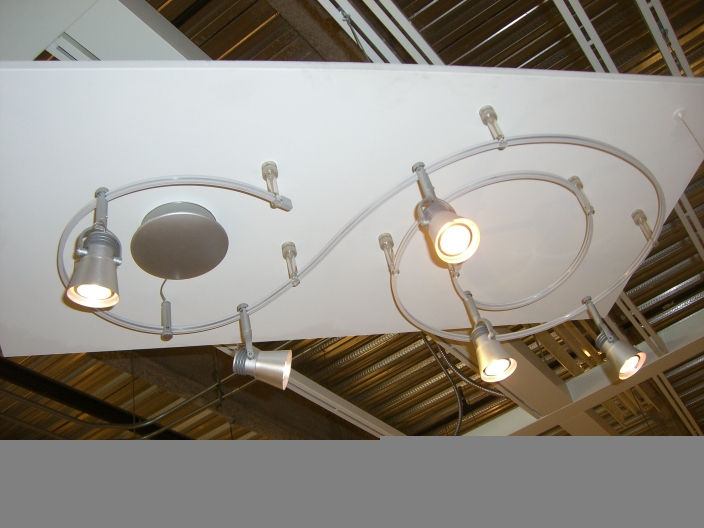
New lights

70c3e7b5.jpg

The electrician should be coming on Monday (18th June, 2007) to fit the new lighting for the practice.

I've always hated fluorescent overhead lights, and the ones in the practice are the old-style ones which are particularly ugly and prone to headache-inducing glare.

To replace them, we'll be using ceiling mounted spot lights. We can't mount them into the actual ceiling because we would have to remove too much of the roof insulation for fire safety reasons.

However, Ikea do nice spot lights mounted on a ceiling track that should produce a pleasant, warm light in the practice with minimum glare.

NHS Prescription Tax rise

The NHS has decided to increase the prescription tax to £6.85 from the 1st of April.

Easter Holiday

The surgery will be closed on Easter Monday, the 9th of April.

Dr Coull will be on call for emergencies over the Easter weekend, so in an emergency call 01369 860 224 to contact the doctor.

Parents - get free Calpol and Nurofen on prescription from the dispensary


Coughs and colds are in full swing just now, so remember that children are entitled to free Calpol and Nurofen for Children, on prescription, from the dispensary.

Simply place your order at the dispensary. Usually it will take two working days for us to dispense and check you medication, but if your child needs to see the doctor, we can dispense it during your consultation.

We're now 20% bigger!


The practice list size has grown from around 700-750 permanent patients in April 2006 to just under 900 patients now.

To cope with the extra workload, we have extended the doctor's consulting times to allow up to 100 patients to see the doctor each week without having to 'double up'* any appointments.

We are also hoping to employ a technician to take bloods and do blood pressures. This will free up more time for patients to see the doctor and practice nurse.

Thank you to all the patients who have made the effort to come to the surgery instead of having a home visit. This helps us to be one of the few practices in the country that sees all patients the same day, while still allowing patients to book appointments in advance if they prefer.


* 'Doubling up' is when we squeeze two (or more) patients into an appointment slot. We do this to make sure that everyone can still be seen the same day without having to wait. However, this means less time for each patient, and often results in the clinic running late.